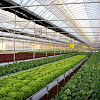
Greenhouse Hydroponic SystemsThe usage of hydroponic greenhouse systems to cultivate plants is rather a good idea. It becomes much easier to take care of all the means and requirements involved for an indoor hydroponic garden to thrive. One can control all the fundamental factors like lighting and aeration, and the environmental temperature. Additionally, a lot of space is needed to set up the watering and lighting systems for hydroponic gardening. One can place these systems exactly where they should be kept. This is a critical factor in hydroponics, since the supply of water and lighting is more important than in a conventional garden.

The biggest advantage of hydroponic greenhouse systems pertains to lighting. Hydroponically cultivated plants require an appropriate amount of lighting. With hydroponic greenhouse systems, daylight is naturally cleansed and filtered away. It is also possible to manage the amount and direction of the light that enters the greenhouse through shutters. Moreover, much less energy is utilized since there is hardly any need to keep the grow lights burning continuously.

With hydroponic greenhouse systems, the process of supplying nutrients to the plants is very simple and easy to manage. This is an important point to consider, since a well growing hydroponics garden, need an appropriate supplement for soil. Since hydroponics does not involve soil, the pH levels of alkaline and acids may vary considerably, since they all rely on the quality of the water that they are dissolved in. With hydroponic greenhouse systems, one is able to set up an automatic pH controller so that there is no need to regularly check the level of pH.

Maintaining the environmental temperature in hydroponic green house systems is also rather critical. Even when the climate is chilly, a well built greenhouse will maintain the appropriate temperature, and it would not be necessary to use a heater. If one resides in an area where the climate is cold, yet there is plenty of sunshine, it is best to use a hydroponic greenhouse system. One may also install fans and ventilators to aid in maintaining and regulating the temperature in the greenhouse.

While there are a variety of hydroponic greenhouse systems available for purchase, one can construct a self-made system as well, right from scratch. There are several kits available in various sizes and designs, and some of these will also make it possible to increase the size of an indoor hydroponic greenhouse system. It’s well considering then to get a valuable structure for an indoor hydroponic garden.

On a final note, hydroponic greenhouse systems are a marvelous new concept to understand and utilize in your pursuit of indoor gardening!
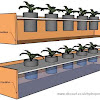
Through using the ebb and flow system, the supply of nutrients and oxygen to the plants is considerably enhanced. This has a very beneficial impact on the health of the plants and they are growing faster and turn out richer.

The main purpose of the ebb and flow system is to supply nutrients to growing plants through the water contained in a sizeable reservoir. This reservoir is connected to a pump that supplies water mixed with nutrients to the tray in which the plants are kept. The duration for pumping the nutrition solution to the plants takes about half an hour. The plants are thus well soaked with the liquid solution and received the appropriate supply of nutrition that they require to flourish. After each pumping cycle, the nutrition solution accumulates back into the reservoir for subsequent usage.

In the ebb & flow process, the plant roots take in only that amount of nutrients that they need. Concurrently, the nutrients take away any stale air from the roots. Hence, the plants receive air that is replete with oxygen, and grow well through being supplied with the very best combination of nutrition and air.

Given the way the ebb and flow system works, one can be sure that the plants that will grow will be stronger and much healthier than if they were cultivated using soil. And the rate at which they develop is considerably enhanced, since they are relieved of any poor quality ingredients, and receive rich nutrition and oxygen filled air.

The ebb and flow system comes with a timer and it can operate autonomously. It is therefore perceived as one of the most adept kind of hydroponics systems. One can rely on the fact that the produce from the ebb and flow system will be lust and vigorous. It is suggested, however, that this system be used indoors, and a grow box be utilized so that the plants have exposure to a more conducive environment to develop adequately. Grow boxes take away any kind of gardening hassle, and are a better alternative to creating one’s own system since several potential obstacles in plant cultivation can be avoided.

On a final note, the ebb & flow system will render healthier and rapid plant growth, and will make it possible to have a very good looking indoor garden. Go ahead and try it today, you’ll be amazed as to what you achieve with it! Happy gardening!

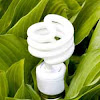
CFL light bulbs are very economical and reliable. When you turn on the light switch, an electric current passes through a mixture of argon and little bit of mercury gas. This gas produces an ultraviolet light that ignites the phosphorus covering on the inside of the bulb. This is turn causes the bulb to be illuminated.
As it may be apparent now, CFL light bulbs are ideal for growing hydroponic foods since they provide the appropriate amount of light for rapid plant development. If you decide to grow plants using the hydroponic method, you can set up you indoor garden in an area where you can take good care of the plants. Additionally, if you opt to grow food in your kitchen, CFL lights bulbs are very beneficial in supply the right amount of light needed for development of plants, fruits, and vegetables.

Plants that are grown in an outdoor garden may are exposed to various risks such as inclement weather, pesticides, and animal attacks. By developing an indoor garden, all these risks are eliminated, and you can grow more healthy and strong plants. CFL lights bulbs will appropriately supply the right amount of light that is required for indoor plant cultivation. What’s more, full spectrum CFL light bulbs will make it appear as if the plants are constantly receiving sunlight, even if they are cultivated in a basement that has no window!

Full spectrum CFL light bulbs produce about 6500 kilowatts of electricity. It is also guaranteed that this amount is ample to help with rapid plant growth. The technology used in producing CFL light bulbs resembles sunlight, and these bulbs are therefore extremely useful in growing plants wherever they are sown. Besides, CFL light bulbs emit very little heat, and so your plants remain well protected from any possible harm or damage.
If you opt to grow plant through the hydroponics process, you may purchase a kit that also comprises of CFL light bulbs. You will in the lit, a user manual that will state all the necessary information on how to correctly use CFL light bulbs.

Hydroponic has acquired immense popularity, given the fact that people can so easily indulge in hobbies such and plant cultivation and gardening. Through hydroponics, one can conveniently make use of all the necessary tools that are required for growing plants and food indoors. Additionally, CFL light bulbs coming in handy not just for growing food, but they have proved to be excellent gardening tools as well. They may be used to cultivate plants and flowers indoors that will create a very beautiful ambiance inside your home.

One can safely say that the aeroponics method is technically the best of all the other hydroponics systems that have been developed. No grow media are required with to provide nutrition to plants. The most basic aeroponics system comprises of a reservoir and channels punched with holes to hold the plant. The reservoir contains the nutrients and the channel is used to spray the roots of the plants with these. A nutrient pump is also a valuable part of an aeroponics system that is used to supply organic aeroponics nutrients to the plants’ roots.

As already mentioned, no growing media is needed in aeroponics gardening to supply the essential nutrients to the plant roots. Yet it is entirely possibly to provide them with the most necessary ingredients to grow well – air, water, and nutrients. This method alone renders aeroponics as the most technically designed hydroponics systems.

Building a basic aeroponics system at home also proves to be rather simple and economical. One can make use of some very basic materials that are available at considerably cheap prices. However, for the best results, it is recommended that one should purchase a fully built aeroponics tool kit from a hydroponics shop.

As stated above, the main tool used in aeroponics is the reservoir that holds the nutrition solution that is to be supplied to the plants. The plant roots hang in this reservoir, and this makes it extremely convenient to watch how well they are growing. Additionally, it is also very easy for the plant roots to imbibe the nutrition supply through hanging the reservoir. The Aeroponics cloner that is included with most aeroponics kits helps to make sure that all the plants roots receive a fair and equal supply of nutrients through the reservoir. And it is extremely easy to change the nutrition solution in the reservoir.

Most people prefer to have freshly cultivated herbs and vegetables to use as ingredients for cooking. The aeroponics system has therefore become extremely popular, for it helps to save a lot of time and energy that is consumed in growing these ingredients the conventional way. Moreover, with this system, plants grow more rapidly and turn out to be healthier than if they were grown through any other method. And one can rest assured that that they will also experience consistent good results with aeroponics.

Hydroponics are the a very good way to grow fruits, vegetables and plants at home due to the fact that they do not use soil, and therefore there is minimal mess! To cultivate plants using Compact Fluorescent Light (CFL) bulbs, you may easily install them where you want to grow your plants properly.

CFL bulbs are inexpensive to purchase. When you flip on the light switch, an electrical current flows through a combination of argon and a small amount of mercury gas. This gas generates an invisible ultraviolet light that stimulates the phosphorous coating on the inside of the bulb which in turn produces the light that we see.

CFL bulbs, as mentioned above, are the best method for growing food from hydroponics, since they provided the light required for faster plant growth. If you choose to cultivate plants through hydroponics, you can set your garden in such place where you can take good care of the food and the plants receive adequate sunlight. However, if you plan to grow food in your kitchen, CFL bulbs are useful equipments for providing the light required for the growth of plans, vegetables, and fruits.

If you grow plants outdoors in your garden, they may be susceptible to certain risks like adverse weather, animal attacks etc. By growing plants inside your house, you avert these risks and can take better care of the plants. The CFL bulb will sufficiently provide the appropriate amount of light needed for plant growth. In fact, full spectrum CFL bulbs will make it seem as if your plants are taking in continuous sunlight, even if there are set in a windowless basement.

A full spectrum CFL bulb generates approximately, 6500 kilowatts of electricity. The manufacturer guarantees that is amount is a sufficient temperature that helps in fast plant cultivation. The CFL bulb is made with technology that emulates sunlight, and so it is helpful in growing plants wherever they are planted. Additionally, CFL bulbs produce a minimal amount of heat, so your plants are safe from any harm that may be caused.

When you choose to use hydroponics for growing plants, you may buy a hydroponic kit that contains CFL bulbs as well. A manual is provided in this kit that provides all the necessary guidelines as to how to use CFL bulbs.

The hydroponics method of growing plants as grown immensely in popularity, owing to the fact that people can so conveniently pursue their hobbies of planting and gardening. The hydroponics method provides all the equipment necessary for growing food at home. Moreover, the CFL light bulbs are useful not only for growing food, but they are a good gardening tool as well. You can grow plants and flowers to beautify your home and create a pleasant interior environment.

As already mentioned, CFL bulbs are cheap, as the cost for gardening will likely be lower if you use them. Daylight and full spectrum CFL bulbs are usually more expensive than their standard counterparts, but they definitely would not cause a pinch in the pocket! It is a good idea to shop around for the best prices of CFL bulbs.

The various Hydroponic systems can be categorized as active or passive systems. Active systems usually involve a pump to rapidly supply the water mixed nutrient solution to the roots of the plants. Passive systems, on the other hand, are dependent upon a medium such as wick which takes capillary action in absorbing the nutrient solution and passing it along to the plant roots. The draw back here is that passive systems are unable to provide the necessary requirement of oxygen for adequate plant growth.

Hydroponic systems can further be differentiated as recovery or non-recovery systems. With the former, the nutrient solution accumulates into a reservoir, once it has passed over the plant roots, and can therefore be reused. With the non-recovery system, this is not the case; the nutrient solution simply passes over the plant roots but does not drain back into the reservoir.

Discussed below are the various active and passive hydroponic systems.

The Wick System

Perhaps the most inexpensive and easy to set up hydroponic system is the wick system. All that is involved in its operations is a candle or lantern wick, that take capillary action is supplying the nutrient solution, stored in a reservoir, to the plant’s roots. Perlite or vermiculite are usually the growing media used in this passive system. The drawback of this system is that it is unable to provide adequate oxygen to the plants, preventing them from growing well and effectively.


The Ebb and Flow System

Also known as the flood and drain system, this is an active, yet low maintenance hydroponic system, that makes use of a pump immersed in a reservoir. Rockwool and grow rocks are most commonly used growing mediums in this system. The reservoir is what holds both the pump and the nutrient solution. When the pump is activated, it pushes the nutrient solution to the plant roots through an upper tray. Ideally, the pump should be kept running for about half an hour. Once a single nutrient solution flooding cycle has run its course, the liquid drains back into the reservoir, and can be reused for subsequent, periodic flooding cycles.

Once the nutrient solution flooding cycle has completed its course, fresh oxygen is sucked into the growing medium as the solution accumulates back into the reservoir. This proves to be tremendously beneficial to plant growth, as it receives a complete doze of both, nutrition and oxygen that it requires for healthy cultivation.

Nutrient Film Technique

The most well known of active hydroponics systems is the Nutrient Film Technique (N.F.T) system. N.F.T. systems are able to supply nutrient solution to the roots of the plants through the submersible pump for upto 24 hours, and there is no timer require to control the pump.  The nutrient solution pushed into the growing tray, runs over the roots of the plants, and then accumulates back into the reservoir.

In the Nutrient Film Technique, the only growing medium required is air. This system therefore proves to be rather an inexpensive one. The plant is usually supported in a small plastic basket, and the roots dangle into the nutrient solution.

The one drawback of the N.F.T system is that it is rather vulnerable to power outages and pump failures, and interruption to the flow of the nutrient solution can cause the roots to dry out.

Continuous Drip

An active hydroponics system, the continuous drip method also involves a pump immersed in a reservoir. Additionally, the reservoir is fitted with supply lines connected to each sown plant root. This enables one to adjust the quantity of nutrition solution required for each plant. Additionally, there is a drip tray placed under the rows of the plants, which transmits the nutrition solution back to the reservoir. The growing media used in the continuous drip system are is usually Rockwool, although given its operational method, any growing medium works well with this system.

Aeroponics

 Perhaps the most technical of all hydroponics systems, aeroponics mainly uses air for its operation. The controlling timer runs the pump, moistening the roots of plants with the nutrient solution for a few seconds every couple of minutes. The roots hang in the air, and because of this reason, they are likely to dry out if the moistening cycles are interrupted.

Grow lights are basically manufactured to instigate plant cultivation through sending out an electromagnetic spectrum that is used for photosynthesis. Artificially similar to sunlight, grow lights serve to create alfresco environmental conditions; the difference lies in the fact that the power of these lights can be controlled. In addition to the ability to vary the light’s temperature, a luminous impact and flexibility in adjusting color temperatures is what makes them an appropriate source of energy for cultivating plants.

Discussed below are three prominent types of grow lights that are known to be the most effective for hydroponics. These are fluorescent grow lights, metal halide (MH) grow lights, and high pressure sodium (HPS) grow lights. Before preceding however, a word of caution: it is always best to place your plants at an adequate distance from the grow lights, in order that they are not deprived from its impact as it moves out of the bulb.

Fluorescent Grow Lights

Usually used for cultivating clones and seedlings, the good news about fluorescent grow lights that they can be set as close to your plants as you desire, without running the risk of burning them. For best results, the distance between these lights and your plants should be approximately 18 inches. It is also suggested that these grow lights be used optimally in order to reap rich and healthy plant yields.

Metal Halide Grow Lights

Like fluorescent grow lights, metal halide grow lights are usually used in the premature or vegetative phase of plant cultivation. The difference here, though is, that these lights need to be kept at approximately 12 to 18 inches away from atop the plants, as they become inflamed enough to burn the plants! Additionally, caution needs to be exercised when it comes to the size of these MH lights – the larger they are, they further should they be placed from the tops of the plants. On a more positive note, MH grow lights result in taller plant yields, approximately 24-26 inches, and the rate of plant growth is also more rapid than is the case with fluorescent lights.

High Pressure Sodium Grow Lights

High Pressure Sodium Grow Lights are generally more beneficial during the bloom stage of plant cultivation, used to grow flowers, fruits, and vegetables. Like MH lights, HPSG grow lights can also cause plants to burn, so again, it is best to place your plants at a distance of at least 12 to 18 inches away from their pressure; as well, the size of these lights matters as to how close or how where you place your plant tops to avail their energy.

It should be borne in mind that when plants blossom and reach the flowering stage, much more light is needed for them to grow at an adequate quality. In quantitative term, this generally means that the fruits, vegetables, and flowers should develop to a size of about 12 to 36 inches on the top of your plants.

Concluding words of caution:

Prior to investing in and using grow lights, it would be well worth being considerate of factors such as their heat generating capacity (too powerful or too light are virtually useless as your plants could either get burnt, or not grow as well as they should. Additionally, you should also determine the amount of electricity these lights use; remember, that in  addition to lights, you are also going to need to use water, and it is very important to be careful to remain safe from any harm when using both these sources for your gardening activities. Be sure to read up on any literature that comes with the grow lights, you may find the necessary safety precautions stated above!

The word hydroponics comes from the Greek language – hydro meaning water and ponos meaning labor. Hydroponics is therefore a way of cultivating plants, by mixing mineral nutrients

In the 19th century, researchers, researchers discovered that plants imbibe essential minerals mixed in water, and that soil only acts as a mineral nutrient reservoir. It is therefore not essential for plant growth

The difference between hydroponics and a soilless culture is sometimes confusing. While soilless culture requires that no soil with clay or silt be used, hydroponics is a subset of the soilless culture – there is absolutely no role of soil in hydroponics.

The Benefits of Hydroponics

There are several benefits attributed to hydroponics, compared to the conventional way of cultivating plants. The supply of oxygen that is provided through the growing media is very good for healthy plant yields. Also as a result of receiving an adequate supply of oxygen, the plants roots are able to imbibe the nutrition supply more rapidly. Additionally, the plant roots do not have to extract the nutrient solution from soil, as this is mixed with water, and is supplied directly to them. No wonder that plants grown hydroponically, cultivate faster and thicker. It has been noted that the rate of plant yield is approximately 30 to 50 percent faster with hydroponics as compared to soil based cultivation.

It should be noted too that hydroponic plants find and break down food more easily, and require considerably less energy for this. The conserved energy leads to faster growth and significant yields. Additionally, since there is no requirement of soil, the risk of bug infections and other plant borne diseases is drastically reduced.

Growing Media used in Hydroponics.

A prominent ingredient used in most hydroponics systems is the growing medium. Examples of these include Rockwool, perlite, vermiculite, and different types of sand. All of these generally work well with all Hydroponics systems. The main purpose of growing media is to supply oxygen and facilitate the passage of the nutrient solution to the rooting system of plants.

Of all the different growing media, Rockwool has gained in immense popularity, owing to the fact that it is able to retain a significantly larger amount of air and water than soil. It has a pH content of about 7.8, which leads gardeners to be a little cautious about using it, since this can also raise the level of pH in the nutrient solution.

The other growing media mentioned above (perlite, vermiculite, and sand) are comparatively more stable than Rockwool, in that they barely impact the pH level of the nutrient solution. The drawback associated with these growing media is that they tend to hold excess water, and can prove to be harmful to those plants that are sensitive to a high degree of moisture. On a better note though, these three media are relatively inexpensive in comparison to Rockwool.

Nutrients

The nutrition solution used in hydroponics includes all the ingredients that a plant would receive from soil. Most of the nutrients are rather concentrated, and are available at hydroponic supply stores in either liquid or powdered forms. Usually, two different containers come with them, one to be used for plant growth, and the other to be used when the plants have blossomed. The liquid form of nutrition solution is easier to use than it powdered counterpart, although, it is expensive in price.  It mixes well in water and accumulates adequately into the reservoir. The powdered nutrients on the other hand are economical, but require more effort in dissolved well into water and the reservoir.

pH

Hydroponic plants generally require a maximum range of pH of 6.3. The good news for gardeners it is much easier to gauge the range of pH in a hydroponic system than in soil. Additionally, there are pH testing kits available at relatively cheap prices at several hardware set stores.

It is imperative to check for the pH level in growing media, as too much or too little of it can adversely affect plant growth, rendering them unable to adequately take in their required amount of nutrition. It is advisable therefore, to check the pH level at least once a week, and to make any necessary adjustments to its level. If the level needs to be raised, one can use dissolvable potash, and if needs to be reduced, then phosphoric acid can be used

Welcome to Coast Hydroponics™. Whether you are a hydroponics enthusiast or a seasoned professional, you will find a great selection and unparalleled value in our hydroponics store. Our knowledgeable staff is ready to help you select the right growing lights, irrigation system and nutrients to ensure your success.

Browse our online store for values on individual products or choose one of our discounted complete kits. Coast Hydroponics is your smartest choice in hydroponics.

Our brick and mortar store is located at 1319 South Coast Highway, Oceanside, Ca 92054 come visit us!

Hydroponics is the term used to describe the process of growing plants with a water based nutrition solution. There is no soil involved at all, and hence there is reduced risk of pesticides and other plant borne diseases. Progressively, people have started using organic hydroponic gardening to grow fruits and vegetables. As it the case any way, the main ingredients used for hydroponics plant cultivation are either already organic in nature (water), or they can be made organic (the nutrients and fertilizer).

Hydroponics stems from the Greek language (hydro meaning water and ponos meaning labor). As mentioned above, it is a method of growing plants, using water mixed with nutrients. Additionally, growing media such as perlite, gravel, and mineral wool are also used. There is no need for soil since it is only acts as nutrient reservoir. The nutrient solution is an adequate substitute to soil for plant cultivation.

Hydroponics has evolved as a fascinating development in indoor gardening. The main reasons why plant growers undertake hydroponics are that it is comparatively more cost effective and efficient than soil based gardening. The commonly perceived benefits of hydroponics include:

  • Soil less plant cultivation
  • Steady, stable,  and substantial plant yield
  • Reduced risk of pests and diseases
  • Less cost of water, since usually it can be reused
  • Less space, growing time, and labor involved
  • Low cost of nutrition, since the nutrients mixed with water are recyclable
  • Virtually no nutrition pollution owing to the fact that hydroponics is a controlled method of plant cultivation and can be conducted in a covered area with artificial lighting.

In summary, the hydroponics owes its popularity to the facts that it results in a higher rate of plant growth, it does not involve the usage of soil, and it can be used to grow plants in places where previously it was impossible to conduct in-ground agricultural or gardening activities.

Organic Hydroponic Gardening

The word organic is used to describe anything that comes from the earth, for example, plants, animals, and vegetables. Organic Gardening therefore means that no artificial ingredients are used to grow plants. As it is, one of the main ingredients in hydroponics, water, is organic, and organic fertilizer can easily be obtained from cows, chicken, seaweed, sheep manure, bones, and several other natural sources.

It may be noted here that along with the water mixed nutrients, plants also need air and nitrogen to grow well. Additionally, they also require an adequate provision of pH (potential Hydrogen) in the fertilizer. It has been proven that hydroponics conducted with an organic fertilizer results in richer and substantial plants growth.

Plant Transplantation

The great benefit of both, hydroponics and organic hydroponics gardening is that you can easily transfer plants cultivated with soil, to a hydroponic system. This simply involves gently extracting the plants from the soil, and then running its roots under some cold water. Finally, you can place the roots into the hydroponic pot or container and cover it with the growing media.

In conclusion, hydroponic and organic hydroponic gardening make it possible to achieve more pure and healthy environmental conditions. And finally, those people who have used these methods of plant cultivation have found them to be rather fun and productive. So go ahead, and start your hydroponics garden today!

Welcome to Coast Hydroponics™. Whether you are a hydroponics enthusiast or a seasoned professional, you will find a great selection and unparalleled value in our hydroponics store. Our knowledgeable staff is ready to help you select the right growing lights, irrigation system and nutrients to ensure your success.

Browse our online store for values on individual products or choose one of our discounted complete kits. Coast Hydroponics is your smartest choice in hydroponics.

Our brick and mortar store is located at 1319 South Coast Highway, Oceanside, Ca 92054 come visit us!

Welcome to WordPress.com. After you read this, you should delete and write your own post, with a new title above. Or hit Add New on the left (of the admin dashboard) to start a fresh post.

Here are some suggestions for your first post.

  1. You can find new ideas for what to blog about by reading the Daily Post.
  2. Add PressThis to your browser. It creates a new blog post for you about any interesting  page you read on the web.
  3. Make some changes to this page, and then hit preview on the right. You can always preview any post or edit it before you share it to the world.
Design a site like this with WordPress.com
Get started